Private Jet Airports and FBO Guide in Maryland - What You Need to Know
Private aviation offers time savings, flexibility, and access to thousands of airports conventional carriers cannot reach. If you are researching private jet airports and fbo guide in Maryland, this guide covers pricing, aircraft types, safety ratings, and how charter, fractional, and jet card programs compare for business and leisure travelers.
Through Luxe Private Jet Charter, we connect Maryland travelers with certified Part 135 charter operators nationwide - with transparent pricing, ARGUS/Wyvern safety ratings, and empty-leg opportunities.

Private Jet Airports in Maryland
Private jet travel in Maryland operates through dedicated business aviation infrastructure that exists in parallel to commercial airport facilities. Maryland offers approximately [AirportCount] jet-capable airports with active FBO (Fixed Base Operator) operations, providing business travelers significantly more departure and arrival options than scheduled commercial airlines serve.
The airport infrastructure scale. The FAA manages over 19,000 airports across the United States. Approximately 5,000 of these serve business aviation through FBO operations. Only about 500 support scheduled commercial service. This 10:1 ratio between business aviation airports and commercial airports means private charter clients can land much closer to their actual destinations than commercial travelers.
FBO vs commercial terminal. Fixed Base Operators (FBOs) are private aviation terminals located on airport property but operated separately from commercial airline terminals. FBOs handle fueling, aircraft parking, passenger services, ground transportation coordination, and concierge services for private charter and general aviation. Passengers enter FBOs directly from their vehicles, use private lounges, and walk directly to aircraft on the tarmac - no TSA security theater, no gate waits, no boarding processes.
Maryland airport geography. Maryland's [AirportCount] jet-capable airports include commercial airports with FBO operations, dedicated general aviation airports, and specialty airports serving specific missions. [TopFBOAirport] typically serves as the primary business aviation hub with multiple FBO operators, customs capability, and extensive ground infrastructure. Secondary airports provide alternatives closer to specific metros, rural destinations, or specialized use cases.
Runway capability. Maryland's longest jet-capable runway measures [LongestRunwayFt] feet, which accommodates any business jet in service at typical operating weights. Smaller airports with shorter runways (4,000 to 6,000 feet) serve light and midsize jets but exclude heavier aircraft. Matching aircraft category to destination airport runway is part of charter planning.
Customs capability. International charter requires customs and immigration facilities. Not every Maryland airport offers customs. Designated customs-capable airports handle international arrivals; others require domestic arrival with subsequent ground transportation to customs-capable facilities. Maryland has approximately [CustomsCapableAirports] airports with customs capability for international charter operations.
Airport type categorization. The FAA categorizes airports by operational type - commercial service, general aviation (GA), and specialty. Commercial service airports have scheduled airline operations and typically support business aviation through FBO operations on the field. General aviation airports serve private and business aviation exclusively, often with less congestion than commercial hubs but fewer FBO services.
Through Luxe Private Jet Charter, Catherine DuBois matches Maryland airport selection to specific charter mission requirements - runway length, customs availability, FBO services, and proximity to actual destination. Call (800) 555-0217 or request a free quote.
What Is an FBO and What Services Do They Provide?
A Fixed Base Operator (FBO) provides ground services for private and business aviation at an airport. Understanding FBO services helps charter clients evaluate airport choice and anticipate fees beyond the hourly charter rate.
Core FBO services. Fueling with Jet A for turbine aircraft and 100LL for piston aircraft. Aircraft parking on the ramp (outdoor) or in hangars (indoor). Passenger handling including greeting, lounge access, and tarmac escort. Pilot services including weather briefing rooms, pilot lounges, sleep rooms, and training materials. Ground power units for aircraft electrical supply while parked. Lavatory service for aircraft holding tanks. Catering coordination with on-field or nearby catering vendors. Rental car and ground transportation coordination. Customs and immigration facilitation at customs-capable airports.
FBO chain brands. Signature Aviation operates the largest FBO network with 200+ locations globally. Atlantic Aviation operates 100+ US locations. Million Air, TAC Air (Truman Arnold Companies), and Jet Aviation operate substantial networks. Independent FBOs operate at many airports alongside or instead of chain FBOs. Chain FBOs offer program consistency and loyalty programs. Independent FBOs often deliver more personal service and competitive pricing.
Ramp fees and waivers. FBOs typically charge a ramp fee for aircraft parking and handling. Fees range from $50 at small general aviation airports to $1,500+ at premium executive terminals. Most FBOs waive ramp fees when the aircraft purchases a minimum fuel quantity - typically 100 to 300 gallons of Jet A. Charter operators often time fuel purchases to optimize ramp fee waivers across the trip.
Jet A fuel pricing. Jet fuel represents 20% to 30% of flight operating cost. FBO pricing varies $5 to $9 per gallon across US airports. AirNav.com publishes current FBO fuel prices. Contract fuel programs like Avfuel, Epic Aviation, and Phillips 66 Aviation provide pricing discounts that charter operators pass through to clients.
Hangar services. Indoor hangar parking protects aircraft from weather and reduces paint degradation. Transient hangar rates run $200 to $2,000 per night depending on aircraft size and airport location. Long-term hangar rental for based aircraft runs $50,000 to $200,000+ annually at premium airports.
Concierge and executive services. Premium FBOs offer executive lounges with business amenities, private conference rooms, high-speed WiFi, catering service, showers for long-haul crews, and concierge services including restaurant reservations, event tickets, and local recommendations. These services elevate the FBO experience for business travelers using airports as brief transitions between meetings.
Customs and international handling. International flights require customs and immigration clearance. FBOs at customs-capable airports coordinate with US Customs and Border Protection (CBP) for arriving international flights. International handling fees run $500 to $2,000 covering customs coordination, agricultural inspection if required, and international documentation. Some FBOs specialize in international operations with on-site CBP officers and streamlined processing.
Choosing between FBOs at same airport. Some airports host multiple competing FBOs. Selection factors include fuel pricing (can vary 10% to 20% between FBOs at same airport), ramp fees and waiver policies, service quality reputation, ground transportation coordination, and chain loyalty program benefits. Charter operators and brokers often have established relationships with specific FBOs.
Through Luxe Private Jet Charter, Catherine DuBois coordinates FBO selection across Maryland's [AirportCount] jet-capable airports for optimal service and pricing. Call (800) 555-0217.

Top Business Aviation Airports in Maryland
Maryland's primary business aviation airports concentrate most private charter traffic. Understanding airport characteristics helps clients choose departure and arrival points that optimize trip logistics.
[TopFBOAirport] - Primary Business Aviation Hub. Serves as Maryland's main executive airport with [TopFBOCount] FBO operators competing for business aviation traffic. The airport typically offers long runways accommodating any business jet category, dedicated general aviation facilities separate from commercial operations where applicable, and premium FBO services including catering, ground transportation, and concierge. For most Maryland business travelers, [TopFBOAirport] serves as the default departure point unless specific mission requirements favor an alternate airport.
Secondary business aviation airports. Maryland's [AirportCount] jet-capable airports include several secondary airports serving specific regions or missions. These airports typically offer 1 to 3 FBOs, shorter runways suitable for light to midsize jets, and lower FBO fees than premium executive terminals. For charter clients whose origin or destination is closer to a secondary airport than to [TopFBOAirport], the 30 to 60 minute ground transportation savings can justify the secondary airport choice.
Customs-capable airports. International charter from Maryland requires departure from or arrival at customs-capable airports. Maryland hosts approximately [CustomsCapableAirports] airports with FAA-designated customs and immigration facilities. Not all business aviation airports offer customs, so international charter planning must verify customs availability at both origin and destination.
Airport selection factors.
Runway length. Match aircraft category to runway capacity. Light jets need 3,500 to 4,500 feet. Midsize jets need 5,000 to 6,000 feet. Super-midsize needs 5,500 to 6,500 feet. Heavy jets need 6,000 to 7,000 feet. Ultra long range jets at maximum weights need 6,500 to 7,500 feet. Maryland's longest jet-capable runway is [LongestRunwayFt] feet, accommodating any category.
Proximity to destination. Total trip time includes ground transportation, not just flight time. A 30-minute flight to an airport 45 minutes from destination equals 75 minutes of transit time. A 40-minute flight to an airport 15 minutes away equals 55 minutes - despite longer flight time, total trip is shorter.
FBO services. Premium FBOs offer concierge services, dedicated lounges, high-speed WiFi for pre-flight work, on-site catering, and ground transportation coordination. Standard FBOs provide core services (fueling, parking, passenger handling) at lower cost.
Fees and pricing. Premium executive airports charge higher FBO fees ($500 to $1,500) while general aviation airports charge modest fees ($50 to $400). For transient aircraft making brief stops, fee differences are material. For based aircraft with long-term hangar arrangements, other factors dominate.
Operational hours. Some general aviation airports close overnight or operate limited hours. Verify operational hours against travel timing for late-night arrivals or early-morning departures.
Weather and terrain considerations. Airports in mountainous areas face winter icing, density altitude performance limits, and weather pattern challenges. Coastal airports experience fog and coastal weather patterns. Inland airports generally have more consistent weather but can face summer thunderstorm activity. Charter operators and pilots familiar with Maryland regional weather help identify airports that balance convenience with operational reliability.
Through Luxe Private Jet Charter, Catherine DuBois recommends Maryland airport selection based on aircraft type, mission, timing, and budget. Call (800) 555-0217 or request a free quote.
Top Business Aviation Airports in the United States
Charter clients from Maryland frequently fly to major business aviation hubs across the United States. Understanding these destination airports helps plan trips efficiently.
Van Nuys (VNY) - Los Angeles. The busiest business aviation airport in the United States by operations. Located 20 miles northwest of downtown Los Angeles in the San Fernando Valley. Multiple FBOs compete for business - Signature, Atlantic, Clay Lacy, Jet Aviation. 8,001 foot primary runway accommodates heavy and ultra long range jets. Customs available. Standard destination for Los Angeles business travelers.
Teterboro (TEB) - New York/New Jersey. Primary New York-area business aviation airport, 12 miles from Manhattan in Bergen County, NJ. Multiple premium FBOs. 7,000 foot runway supports most business jet categories. Customs available. Heavy weekday demand with peak afternoon arrivals and morning departures. Manhattan access 15 to 45 minutes by ground depending on traffic.
Westchester County (HPN) - New York. Alternative New York business airport 33 miles north of Manhattan in White Plains. Multiple FBOs. 6,549 foot runway. Customs available. Less congested than Teterboro with easier ground access for Westchester, Connecticut, and northern New Jersey destinations.
Palm Beach International (PBI) - West Palm Beach. Primary South Florida business aviation airport for Palm Beach metro. 10,008 foot runway. Customs available. Major seasonal traffic December through April as Northeast travelers migrate to Florida. Multiple FBOs including Signature and Atlantic.
Miami Opa-locka (OPF) and Miami Executive (TMB). Primary Miami business aviation airports. OPF at 8,002 foot runway with 5 FBOs. TMB at 8,002 foot runway with 2 FBOs. Both customs-capable. Heavy international traffic to Caribbean, Latin America, and Europe. OPF tends to handle heavier aircraft; TMB handles light to midsize traffic.
Dallas Love Field (DAL). Central Dallas business aviation airport. 8,800 foot runway. Customs available. Multiple FBOs. Convenient central location 6 miles from downtown Dallas versus DFW's distant suburban location.
Scottsdale (SDL) - Phoenix metro. Primary Phoenix-area business aviation airport in Scottsdale. 8,249 foot runway. 5 FBOs competing for business. Customs available. Winter season peak with Northeast and Midwest traffic.
Centennial (APA) - Denver metro. Primary Denver-area business aviation airport in Englewood. 10,002 foot primary runway. 5 FBOs. Customs available. High altitude (5,885 feet) affects takeoff performance requiring longer runway distances at summer density altitudes.
DeKalb-Peachtree (PDK) - Atlanta. Primary Atlanta business aviation airport 10 miles northeast of downtown. 6,001 foot runway. 4 FBOs. Customs available. Convenient metro access compared to Hartsfield-Jackson commercial hub.
Henderson Executive (HND) and North Las Vegas (VGT). Las Vegas-area business aviation airports. HND offers 6,500+ foot runway south of Las Vegas Strip. VGT north of Strip serves similar traffic. Customs capability varies. Heavy event traffic for major Las Vegas events.
Aspen-Pitkin County (ASE). Premier mountain resort business airport. 8,006 foot runway at 7,820 foot elevation. Density altitude and mountainous terrain create operational complexity. Peak winter ski season demand December through March with slot restrictions. Light jets access ASE; heavier aircraft face weight and performance restrictions at altitude.
Eagle County Regional (EGE) - Vail. Vail-area mountain airport. 9,000 foot runway. Customs available. Heavy ski season traffic with slot restrictions during peak periods. Lower altitude (6,548 feet) than Aspen supports heavier aircraft operations.
Through Luxe Private Jet Charter, Catherine DuBois coordinates charters from Maryland including [TopFBOAirport] to these major destinations. Call (800) 555-0217.

Strategic Airport Selection for Your Charter
Strategic airport selection optimizes trip time, cost, and convenience. Most charter clients default to major commercial hubs or nearest airport without considering the alternatives. Thoughtful airport selection saves meaningful time and money.
Optimize for total trip time, not flight time. Ground transportation often dominates short regional trips. A 45-minute flight plus 60-minute ground transportation each way (3.5 hours total) compared to a 55-minute flight plus 15-minute ground transportation each way (2.3 hours total) - despite 20 additional minutes of flight time, the second option saves over an hour. For business travel where time matters, total door-to-door time beats any single component.
Consider both origin and destination airports. Maryland's [AirportCount] jet-capable airports create origin flexibility. Destination airports vary similarly. A trip from Maryland might involve choosing between 2 to 4 airports at each end. Map actual origin and destination coordinates against all reasonable airport options to find the pair that minimizes ground transportation on both sides.
Match aircraft to destination runway. Light jets access more airports than heavy jets. If your mission fits a light jet, a 4,500 foot runway at a convenient small airport may beat a distant heavy jet airport. Selecting aircraft and airport in combination rather than separately optimizes the full trip.
FBO service tier. Premium FBOs at major business airports offer concierge services, dedicated lounges, on-site catering, and executive amenities. Secondary airport FBOs provide core services at lower cost but fewer amenities. For quick turn-around trips, basic FBO service may be sufficient. For extended pre-flight business meetings or crew rest situations, premium FBO amenities add real value.
Fuel pricing strategy. Jet A prices vary significantly across airports. For round trips, charter operators may choose to uplift fuel at lower-priced airports to optimize overall trip cost. This operational detail is typically invisible to clients but affects the quote. Ask your broker about fuel strategy if trip costs seem high.
International customs strategy. International charter requires customs-capable airports at arrival and sometimes departure. Selecting the right customs airport streamlines the international clearance process. Some FBOs specialize in international handling with on-site CBP officers and expedited processing. For repeat international travelers, establishing relationships at specific international-focused FBOs improves consistency.
Weather pattern consideration. Some airports face consistent weather challenges - fog, mountain weather, density altitude limitations, thunderstorm activity. Charter operators familiar with regional weather can recommend airports that balance convenience with operational reliability. For weather-sensitive trips, airport flexibility reduces delay risk.
Peak hours and congestion. Even business aviation airports experience peak periods. Teterboro afternoon departures, Aspen winter weekend mornings, and New York ski destination returns all face slot restrictions or delays during peak times. Scheduling around peak hours or choosing alternate airports during peak periods reduces delay risk.
Example strategic selection. Client trip from suburban Maryland destination to Manhattan business meeting. Default thinking: depart [TopFBOAirport], arrive Teterboro. Strategic alternative: depart smaller Maryland airport 20 minutes closer to actual origin, arrive Westchester (HPN) which has better ground transportation to specific Manhattan area. Time savings: 45 minutes pre-flight + 20 minutes post-flight = 65 minutes. Cost savings: lower FBO fees at secondary airport potentially $500-$1,000.
Broker value for airport selection. Experienced charter brokers understand regional airport characteristics, FBO tiers, aircraft-airport compatibility, and operational considerations that affect airport choice. Clients without this knowledge default to obvious airport choices. Brokers optimize selection across the full range of options.
Through Luxe Private Jet Charter, Catherine DuBois optimizes airport selection for Maryland charters based on trip-specific factors. Call (800) 555-0217.
International Private Jet Airports and Customs
International private jet charter requires specific airport infrastructure at both departure and arrival points. Understanding customs capabilities and international handling helps plan international trips smoothly.
Customs-capable US airports. Approximately 200 US airports hold Customs and Border Protection clearance capability - a small fraction of US business aviation airports. Maryland offers approximately [CustomsCapableAirports] customs-capable airports for international charter operations. International flights must arrive at and depart from customs-capable airports unless advance arrangements are made for User Fee airport operations.
International Airport classification. CBP designates international airports with on-site staffing for full-time customs processing. Major business aviation international airports include Teterboro (TEB), Van Nuys (VNY), Opa-locka (OPF), Palm Beach (PBI), Westchester (HPN), and others. These airports process international flights during standard business hours with additional fee-based after-hours service.
User Fee airports. Smaller airports without full-time CBP staffing may support international operations with advance notice and fee payment. User Fee arrangements require 24 to 72 hour advance notice to CBP, officer dispatch from nearest staffed airport, and fees typically $500 to $2,000 per operation. User Fee processing enables international charter at convenient airports that lack full-time customs.
eAPIS filing requirements. All international flights to or from the US must file eAPIS (Electronic Advance Passenger Information System) data per Department of Homeland Security requirements. Filing must complete 60+ minutes before departure for outbound and 60+ minutes before arrival for inbound. Charter operators handle eAPIS filing, but passenger data (full names, dates of birth, passport details) must be provided in advance.
CBP Private Aircraft requirements. Private aircraft arriving in the US must provide advance notice to CBP, comply with agricultural inspection requirements, and submit to customs clearance at arrival. Arrivals from high-risk areas may face additional inspection. Operators familiar with international operations handle these requirements; first-time international charter clients should ensure their operator has international experience.
Caribbean destinations. Bahamas, Turks and Caicos, British Virgin Islands, and other Caribbean destinations have varying runway capabilities, customs infrastructure, and operational hours. Nassau International (NAS), Providenciales (PLS), and other primary Caribbean airports handle business aviation routinely. Smaller island airports with shorter runways may require specific aircraft capability. Hurricane season (June to November) affects Caribbean operations with routing flexibility required during active storms.
Mexico destinations. Mexican airports including San Jose del Cabo (SJD), Puerto Vallarta (PVR), Cancun (CUN), and Mexico City (MEX) handle business aviation. Mexico customs (Aduana) processing involves specific documentation. Flight plan filing through Mexican air traffic control adds complexity versus domestic US operations.
European destinations. Major European business aviation airports include Farnborough (FAB) and Biggin Hill (BQH) serving London, Le Bourget (LBG) serving Paris, Zurich (ZRH) for Switzerland, and others. Trans-Atlantic charter requires ETOPS-capable aircraft or twin-engine aircraft with extended range. Super-midsize or heavy jets typically handle East Coast US to European routes.
Canadian destinations. Canadian airports offer straightforward international charter with Canada Border Services Agency (CBSA) clearance. Toronto (YYZ), Montreal (YUL), Vancouver (YVR), and Calgary (YYC) handle business aviation. Cross-border US-Canada charter is typically the simplest international operation for US operators.
Documentation requirements. International passengers need valid passports with sufficient remaining validity (6 months past trip date for many destinations), visas for destinations requiring them, and compliance with destination country import restrictions for pets, firearms, and other items. Pre-trip documentation review prevents arrival problems.
Through Luxe Private Jet Charter, Catherine DuBois coordinates international charter logistics from Maryland including customs handling, eAPIS filing, and international documentation. Call (800) 555-0217 or request a free quote.
FBO Amenities and Concierge Services
Premium FBOs deliver amenities far beyond basic ground services. For business travelers using FBOs as brief transitions or waiting rooms between meetings, premium amenities add real value.
Executive lounges. Premium FBO lounges include comfortable seating, business workspace, high-speed WiFi comparable to good hotels, coffee and beverages, light snacks, and quiet environment for calls or focused work. Some lounges offer dedicated seating areas for families versus business travelers and private work rooms for sensitive calls.
Conference rooms. Many premium FBOs offer private conference rooms for meetings before or after flights. Conference rooms typically include video conferencing capability, white boards or displays, and light catering support. For business travelers concluding deals or conducting client meetings at travel endpoints, FBO conference rooms save hotel meeting room booking.
High-speed WiFi. Executive FBO WiFi typically delivers 25 to 100 Mbps speeds suitable for video conferencing, document sharing, and business work. Guest WiFi is usually complimentary for FBO users.
Catering service. On-site catering at premium FBOs ranges from light snacks and coffee to full hot meals. Flight catering (food loaded onto the aircraft for flight) is typically coordinated through the FBO with dedicated catering vendors. Dietary restrictions, kosher/halal requirements, and specific preferences are accommodated with advance notice.
Showers and freshen-up facilities. Premium FBOs include pilot and passenger showers, changing rooms, and freshen-up amenities for travelers arriving from long flights or transitioning between meetings. Some FBOs offer business services like pressing, dry cleaning coordination, and wardrobe assistance.
Sleep rooms for crews. Pilot sleep rooms, crew lounges, and extended crew rest facilities support crew duty limitations on long missions. Crew facilities are typically segregated from passenger areas.
Concierge services. FBO concierges coordinate restaurant reservations, event tickets, local recommendations, and personal services. For visitors unfamiliar with the destination area, FBO concierge can arrange dinner reservations, sporting event tickets, and local attractions during short stays.
Ground transportation. FBOs coordinate rental cars with on-site or nearby rental counters, limousine and car service, taxi and ride-share, and in some cases helicopter transfer to specific destinations. For clients unfamiliar with the destination, FBO-arranged ground transportation eliminates coordination complexity.
Hangar storage. Based aircraft and long-stay transient aircraft can park in hangars rather than outside on the ramp. Hangar storage protects aircraft paint, avionics, and interior from weather. Transient hangar rates run $200 to $2,000 per night depending on aircraft size and airport. Long-term hangar rental for based aircraft runs $50,000 to $200,000+ annually at premium airports.
Valet parking and car service. Premium FBOs offer valet parking for passenger vehicles with security and covered parking options. Long-term parking rates for based clients typically run $200 to $800 monthly.
Pet services. Some FBOs accommodate traveling pets with walking areas, water bowls, and pet-friendly lounge policies. International pet travel requires destination country documentation; FBO staff can coordinate with veterinarians for required health certificates.
Fuel programs and loyalty. Major FBO chains operate fuel reward programs for based aircraft and frequent transient customers. Signature Aviation's TailWins program, Atlantic Aviation's Atlantic Awards, and similar programs provide fuel discounts, upgrade credits, and partner benefits. For clients who fly frequently, these programs deliver meaningful value.
International and duty-free. At international FBOs, duty-free shopping is sometimes available. Customs handling facilitation includes pre-cleared bag service at some airports. For international business travelers, these amenities reduce transition time.
Specialty services. Some FBOs offer additional specialty services - helicopter transfer coordination, private jet brokerage, aircraft management consulting, owner services. These offerings reflect the FBO's market positioning within the business aviation ecosystem.
Through Luxe Private Jet Charter, Catherine DuBois selects FBOs in Maryland that deliver services matching specific client needs. Call (800) 555-0217.
How Luxe Private Jet Charter Works
Luxe Private Jet Charter connects clients across Maryland with certified charter operators and aviation providers nationwide. Every quote is free. Here is how it works:
- Step 1: Request your free quote - Call or submit your trip details online. We match you with operators serving your Maryland route.
- Step 2: Custom quote within hours - Your aviation concierge presents aircraft options, pricing, safety ratings, and empty-leg opportunities when available.
- Step 3: Book and fly - Select your aircraft and departure, and our team handles catering, ground transport, and FBO coordination.
Call Catherine DuBois at (800) 555-0217 or request your free charter quote online.
About the Author
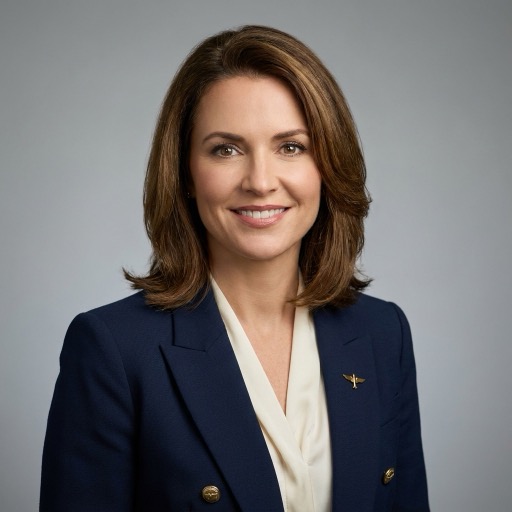
Catherine DuBois
Aviation Concierge at Luxe Private Jet Charter
Catherine DuBois is an aviation concierge with over 15 years of experience connecting clients with certified charter operators and aircraft providers across North America. She has coordinated thousands of business and leisure charters from light jets to heavy long-range aircraft, specializing in empty leg deals, safety ratings, and FBO coordination.
Have questions about private jet airports and fbo guide in Maryland? Contact Catherine DuBois directly at (800) 555-0217 for a free, no-obligation consultation.
Frequently Asked Questions
What is an FBO at a private jet airport?
An FBO (Fixed Base Operator) is a private aviation terminal and ground services provider at an airport. FBOs handle fueling (Jet A and 100LL), aircraft parking on ramp or in hangars, passenger handling with private lounges and tarmac escort, pilot services including weather briefings and rest facilities, ground power for aircraft electrical supply, lavatory service, catering coordination, ground transportation arrangement, and customs facilitation at international airports. Major FBO chains include Signature Aviation (200+ locations), Atlantic Aviation (100+ locations), Million Air, TAC Air, and Jet Aviation. Independent FBOs operate alongside chains at many airports. FBOs serve private aviation as commercial terminals serve airline passengers - but with dramatically faster, more personalized service.
How many private jet airports are in Maryland?
Maryland offers approximately [AirportCount] jet-capable airports with active FBO (Fixed Base Operator) operations for private jet charter. These include commercial airports with FBO facilities, dedicated general aviation airports, and specialty airports serving specific missions. The airport density provides significantly more departure and arrival flexibility than commercial airline service alone. Maryland's primary business aviation hub is [TopFBOAirport] with multiple FBO operators, long runways accommodating any aircraft category, and customs capability for international operations. Secondary airports across Maryland provide alternatives closer to specific metros, rural destinations, and specialty missions. Through Luxe Private Jet Charter, Catherine DuBois matches airport selection to charter requirements. Call (800) 555-0217.
What are the busiest business aviation airports in the US?
The busiest US business aviation airports include Van Nuys (VNY) in Los Angeles (nation's busiest), Teterboro (TEB) in New York/New Jersey, Westchester (HPN) in White Plains, Palm Beach International (PBI), Opa-locka (OPF) and Miami Executive (TMB) serving Miami, Dallas Love Field (DAL), Scottsdale (SDL) in Phoenix metro, Centennial (APA) in Denver metro, DeKalb-Peachtree (PDK) in Atlanta, Henderson Executive (HND) near Las Vegas, Aspen-Pitkin County (ASE), and Eagle County (EGE) serving Vail. These airports offer multiple FBO operators, premium services, customs capability where applicable, and extensive business aviation infrastructure. Each handles 100,000 to 300,000+ annual operations. Charter clients from Maryland frequently fly to these destinations for business and leisure.
Do private jet airports have customs?
Only approximately 200 US airports hold Customs and Border Protection clearance capability for international flights. Maryland has approximately [CustomsCapableAirports] airports with customs capability. Full-time customs airports have on-site CBP officers during business hours with after-hours availability for fee. User Fee airports operate international flights with advance notice (24-72 hours) and fee payment to CBP for officer dispatch from nearest staffed airport. Smaller general aviation airports typically lack customs and require domestic-only operations. International charter from Maryland must originate at or terminate at customs-capable airports, or arrange User Fee operations at preferred smaller airports. Through Luxe Private Jet Charter, Catherine DuBois coordinates customs-capable airport selection for international charter. Call (800) 555-0217.
What is the difference between Teterboro and White Plains airports?
Teterboro (TEB) and Westchester County (HPN) both serve New York-area business aviation but differ in location and operational characteristics. Teterboro sits 12 miles from Manhattan in Bergen County, NJ - closer ground access to Manhattan (15 to 45 minutes depending on traffic) but heavily congested during peak hours. 7,000 foot runway handles most business jets. Westchester County in White Plains sits 33 miles north of Manhattan - longer ground transit but significantly less airport congestion. 6,549 foot runway. Both airports offer customs capability and multiple FBOs. TEB typically serves Manhattan-focused trips with heavy peak demand. HPN serves Westchester, Connecticut, and northern New Jersey destinations with easier operations. Charter brokers help choose between them based on specific destination and timing.
How much does it cost to use an FBO?
FBO costs vary by airport tier and services used. Ramp fees for aircraft parking and handling range from $50 at smaller general aviation airports to $1,500+ at premium executive terminals like Teterboro and Van Nuys. Most FBOs waive ramp fees when the aircraft purchases minimum fuel quantity (typically 100 to 300 gallons of Jet A). Jet A fuel pricing varies $5 to $9 per gallon across airports. Overnight hangar storage runs $200 to $2,000 per night depending on aircraft size and airport. International handling fees add $500 to $2,000 for customs coordination on international flights. After-hours operations at airports with limited operating hours may incur additional fees. FBO services (catering, ground transportation) are typically billed separately by their vendors rather than built into base FBO fees.
Can a private jet land at any airport?
No, private jets cannot land at any airport. Runway length requirements vary by aircraft category. Light jets need runways of 3,500 to 4,500 feet at typical operating weights. Midsize jets need 5,000 to 6,000 feet. Super-midsize needs 5,500 to 6,500 feet. Heavy jets need 6,000 to 7,000 feet. Ultra long range jets at maximum weights need 6,500 to 7,500 feet. Turboprops access shorter runways down to 2,500 feet, opening airports jets cannot use. Density altitude (airport elevation plus temperature effect) reduces aircraft performance at high-altitude or hot-weather airports, requiring longer runways than sea-level specifications suggest. Maryland's longest jet-capable runway is [LongestRunwayFt] feet, accommodating any business jet category. Smaller Maryland airports serve lighter aircraft only.
What is the best private jet airport near Maryland?
[TopFBOAirport] is the primary business aviation airport in Maryland with approximately [TopFBOCount] FBO operators competing for business aviation traffic. The airport typically offers long runways accommodating any business jet category, dedicated general aviation facilities, premium FBO services including catering and concierge, and customs capability where applicable for international operations. [TopFBOAirport] serves as the default departure point for most Maryland business aviation. Secondary Maryland airports provide alternatives closer to specific metros or missions, which can reduce ground transportation time for charter clients whose origin or destination is distant from [TopFBOAirport]. Through Luxe Private Jet Charter, Catherine DuBois recommends airport selection based on trip-specific requirements rather than defaulting to [TopFBOAirport] for every mission. Call (800) 555-0217 or request a free quote.